As I reflect on the journey of life, I often think about the value of personal freedom. We all cherish the ability to make our own choices and live life on our own terms. This desire for independence does not fade with age. In fact, it often becomes even more important as we get older. We want to stay in our homes, continue our daily routines, and remain active members of our communities.
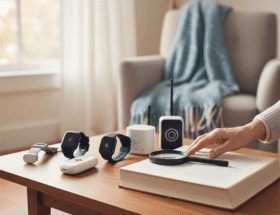
However, the reality of aging can present challenges. Health concerns, the risk of falls, and unexpected emergencies can make living alone seem daunting. This is where modern technology offers a truly helpful hand. I have seen how medical alert systems can bridge the gap between wishing for independence and actually living it.
These systems are more than just gadgets. They are tools that empower individuals to maintain their cherished way of life. They provide a layer of safety that allows for continued self-reliance. I believe understanding these systems is vital for anyone looking to secure their independence with confidence.
Understanding How Medical Alert Systems Foster Autonomy
Medical alert systems are designed to provide immediate assistance during an emergency. They work by connecting an individual to a trained operator with the simple press of a button. This connection ensures that help is always just a moment away. These systems make it possible for many to continue living independently in their own homes for much longer than they might otherwise.
I know many people worry about being a burden to their families. A medical alert system greatly reduces this concern. It gives both the user and their loved ones peace of mind. Knowing that someone can respond quickly in a crisis changes everything. This sense of security promotes a feeling of autonomy and well-being.
These devices can be especially beneficial for those who live alone or have health conditions that might lead to unexpected emergencies. They offer a lifeline that helps individuals stay safe without needing constant direct supervision. It really makes a big difference in daily confidence.
Immediate Help at Your Fingertips
The core function of a medical alert system is to provide rapid access to emergency services. When the button is pressed, it sends a signal to a monitoring center. A trained operator quickly answers and assesses the situation. They can then dispatch emergency medical services, contact family members, or reach out to neighbors as needed.
This quick response is important in situations such as a fall, a sudden illness, or even a fire. Many systems offer waterproof devices, so users can even get help in the shower or bath where falls are common. The speed and efficiency of this process can significantly impact the outcome of an emergency.
I have heard countless stories of lives saved because of this immediate connection to help. It is not about waiting for someone to check on you, but about actively summoning assistance when it is most needed. This capability greatly enhances personal safety and independence.
Everyday Confidence and Reduced Worry
Beyond emergency response, medical alert systems build confidence for daily living. Knowing that help is available 24/7 means individuals can move about their homes and engage in activities with less fear. This reduces anxiety for the user and their family members.
Families often tell me that these systems ease their minds, because they know their loved ones are protected. This allows older adults to keep up with their routines and hobbies. They can garden, cook, and enjoy their independence without constant worry looming over them. The system acts like a silent guardian, always ready to assist.
I find this aspect particularly compelling because it speaks to the emotional and psychological benefits. True independence includes feeling secure and unburdened by fear. Medical alert systems provide just that feeling, allowing for a more fulfilling and active life.
Types of Medical Alert Systems for Diverse Needs
The world of medical alert systems has evolved to meet a variety of needs and lifestyles. There is no one-size-fits-all solution, which is a good thing. Different devices cater to different levels of activity and specific concerns. Understanding these options helps people pick the best fit for their situation.
I always suggest people consider their daily routines when choosing a system. Do they spend most of their time at home, or do they like to go out frequently? Are they prone to falls, or do they have a condition that might cause sudden emergencies? These questions guide the selection process.
The goal is to find a system that feels comfortable and provides effective protection. This ensures that the device will actually be used when needed. It is all about empowering individuals to maintain their desired level of activity safely.
At-Home Solutions for Stationary Living
For those who primarily stay at home, traditional in-home medical alert systems are a popular choice. These typically consist of a base unit connected to a landline or cellular network and a wearable button. The button can be worn as a pendant or on the wrist, making it easily accessible.
The base unit usually has a strong speaker and microphone, so you can communicate with the monitoring center from anywhere in your home. The wearable button has a good range, so it works even in the backyard or garage. I have seen many individuals benefit greatly from these systems because they offer reliable coverage within their living space.
Battery life on these wearable devices is usually excellent, often lasting for months without needing a charge. This means fewer worries about constant maintenance. They are straightforward to use and provide a constant connection to help while at home.
Mobile Systems for Active Lifestyles
If someone enjoys an active lifestyle, a mobile medical alert system might be a better choice. These devices are portable and include built-in GPS technology. This means help can be dispatched to the user’s exact location, whether they are at the park, the grocery store, or visiting a friend.
Mobile systems connect to a cellular network, so they do not require a landline. This flexibility is a huge advantage for people who are often on the go. I have friends who love their mobile systems because it means they can continue their daily walks and outings without fear of being stranded if an emergency occurs.
These devices are usually compact and easy to carry. Some even resemble smartwatches, making them discreet and fashionable. They provide true freedom to explore and stay engaged with the world outside the home, knowing that a safety net is always with them.
Key Features to Look For in a Reliable System
Choosing a medical alert system involves more than just picking between in-home or mobile options. I always advise people to look closely at the features that truly matter for their safety and peace of mind. A reliable system is one that performs consistently and meets individual needs without complication.
The best systems offer a blend of essential services and thoughtful design. This ensures that help is effective and available exactly when it is needed. It is about investing in a solution that provides genuine security.
Consider the company’s reputation and customer service as well. You want a provider that is responsive and easy to work with. This support is an important part of the overall value of the system.
The Importance of 24/7 Monitoring
One of the most critical features is 24/7 professional monitoring. This means a dedicated team is always ready to answer your call for help, day or night. It is not just an automated service, but real people who are trained to handle emergencies quickly and calmly.
I emphasize 24/7 monitoring because emergencies do not keep office hours. A fall could happen in the middle of the night, or a sudden medical issue could arise on a holiday. Knowing that a human being will always be there to assist provides an irreplaceable layer of security.
These monitoring centers are often certified and undergo regular audits to ensure high standards of service. They follow specific protocols to get you the right help efficiently. This constant availability is fundamental to securing independence with a medical alert system.
Fall Detection Technology for Added Safety
Another valuable feature to consider is automatic fall detection. This technology uses sensors in the wearable device to identify sudden movements that indicate a fall. If a fall is detected, the system automatically alerts the monitoring center, even if the user cannot press their button.
I often hear from older adults that they worry most about falling and not being able to call for help. Automatic fall detection addresses this very concern directly. It provides an extra layer of protection for individuals who are at a higher risk of falls or might become disoriented after a tumble.
While no technology is perfect, fall detection systems have improved significantly. They can be a game-changer for people wanting to maintain their independence despite physical limitations. This feature gives a profound sense of security for users and their families.
Real Stories of Secure Independence with Medical Alert Systems
I have seen firsthand the incredible impact medical alert systems have on people’s lives. These are not just statistics or theoretical benefits. They are real stories of individuals who continue to live full, independent lives because they have this safety net in place. Each story reinforces my belief in their value.
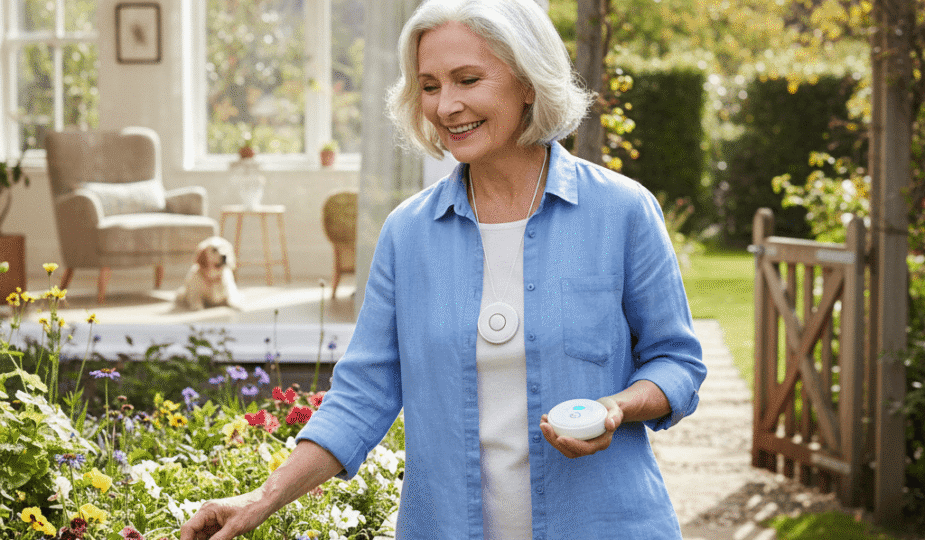
One memorable example involves an elderly neighbor who loved gardening. She worried about falling while tending her flowers in the backyard. She got a mobile medical alert system. One sunny afternoon, she tripped over a hose and fell. She could not get up on her own. With a simple press of her pendant, help arrived quickly. She was back in her garden in no time, feeling more confident than ever.
Another story comes from a friend whose mother lives alone. Her mother has a heart condition. The family decided to get her an in-home system with automatic fall detection. One evening, her mother felt dizzy and collapsed in her living room. The fall detection triggered the alert. Within minutes, paramedics were on their way, and her mother received the care she needed right away. My friend told me that system probably saved her mother’s life.
These examples illustrate how medical alert systems allow people to continue with their hobbies, stay in their cherished homes, and avoid becoming a source of constant worry for their families. They foster a genuine sense of secure independence.
Choosing the Right System for Your Lifestyle
Making the decision about which medical alert system is right for you or a loved one requires some careful thought. I always recommend sitting down and assessing the specific needs and daily habits of the individual. This personalized approach ensures that the chosen system will be effective and comfortable to use.
Think about where the user spends most of their time. Do they stay primarily in one location, or do they move about frequently? Consider their comfort level with technology. Some systems are very simple, while others have more advanced features. Getting the right match makes all the difference.
It is also a good idea to involve family members or caregivers in this discussion. Their input can be very valuable. They might have insights into potential risks or activities that require extra consideration. If you are looking for more details on the practical advantages these devices bring to daily life, I encourage you to get the insights.
Preparing for a Safer Tomorrow: Installation and Testing
Once you have chosen a medical alert system, the next steps involve installation and ongoing maintenance. I want to assure you that most systems are designed for easy setup. You do not need to be a tech expert to get them running. Many companies even offer support to guide you through the process.
The goal is to integrate the system smoothly into daily life. This way, it becomes a natural part of a safer living environment. A quick and proper setup ensures that the system is ready to provide help the moment it is needed.
This preparation also includes making sure everyone involved understands how the system works. Education is a key component of effective safety planning. It builds confidence for both the user and their support network.
Simple Setup and Activation
For most in-home systems, installation is usually as simple as plugging in the base unit and testing the wearable button. Mobile devices often come pre-activated. You just need to charge them and carry them with you. I find that this ease of setup is a major advantage. It removes a potential barrier for many older adults who might be intimidated by complicated technology.
The instructions provided by the medical alert company are typically very clear. Many providers also offer phone support if you encounter any issues during setup. This ensures that the system is correctly configured and ready to protect you. It helps build initial confidence in the device.
Regular Testing and Education
After installation, I always recommend regular testing of the system. Most companies have a designated test button or procedure. This allows you to verify that the connection to the monitoring center is working properly without dispatching emergency services. Regular testing builds familiarity and ensures ongoing reliability.
It is also important to educate family members, close friends, or caregivers about the system. Show them how it works and what to do if you activate it. Share important contact information for the monitoring center. This collective understanding creates a stronger support network. It means everyone is prepared for any situation that might arise, enhancing the overall feeling of security and independence.
The Future of Personal Safety Devices: What to Expect
The field of personal safety technology is always changing. I find it exciting to think about what the future holds for medical alert systems. Innovations continue to make these devices more integrated, discreet, and powerful. This means even more opportunities for individuals to secure their independence effectively.
We are already seeing medical alert features integrated into smartwatches and other everyday wearables. This trend will likely continue. Devices will become less noticeable, blending seamlessly into daily life. They will offer advanced health monitoring capabilities, perhaps even predicting potential health issues before they become critical.
I also anticipate better connectivity and smarter algorithms. These improvements will make fall detection even more accurate. They will also improve communication with monitoring centers. The goal is to create systems that are not just reactive, but also proactive in keeping people safe. This evolution promises to enhance the quality of life for many, allowing them to live independently with greater assurance.
Securing Your Future with Confidence
I believe that living independently is a profound desire for many people, especially as they age. Medical alert systems are powerful tools that help fulfill this desire. They offer a reliable way to maintain safety and control over your life. These devices provide rapid assistance in emergencies, but their benefits go beyond just calling for help. They instill confidence, reduce anxiety, and allow individuals to continue enjoying their homes and activities.
From traditional in-home units to advanced mobile systems with fall detection, there is a solution tailored for almost every lifestyle. I have seen how these systems empower people to live without constant fear. They also give peace of mind to worried family members. Choosing the right system involves understanding your needs and looking for features like 24/7 monitoring and reliable technology.
The future promises even more sophisticated solutions, so the ability to live independently will only grow stronger. Do not let concerns about emergencies limit your freedom. Take the time to explore how medical alert systems can enhance your safety and independence. Research the options available, speak with providers, and make an informed decision to empower yourself for a secure future.